
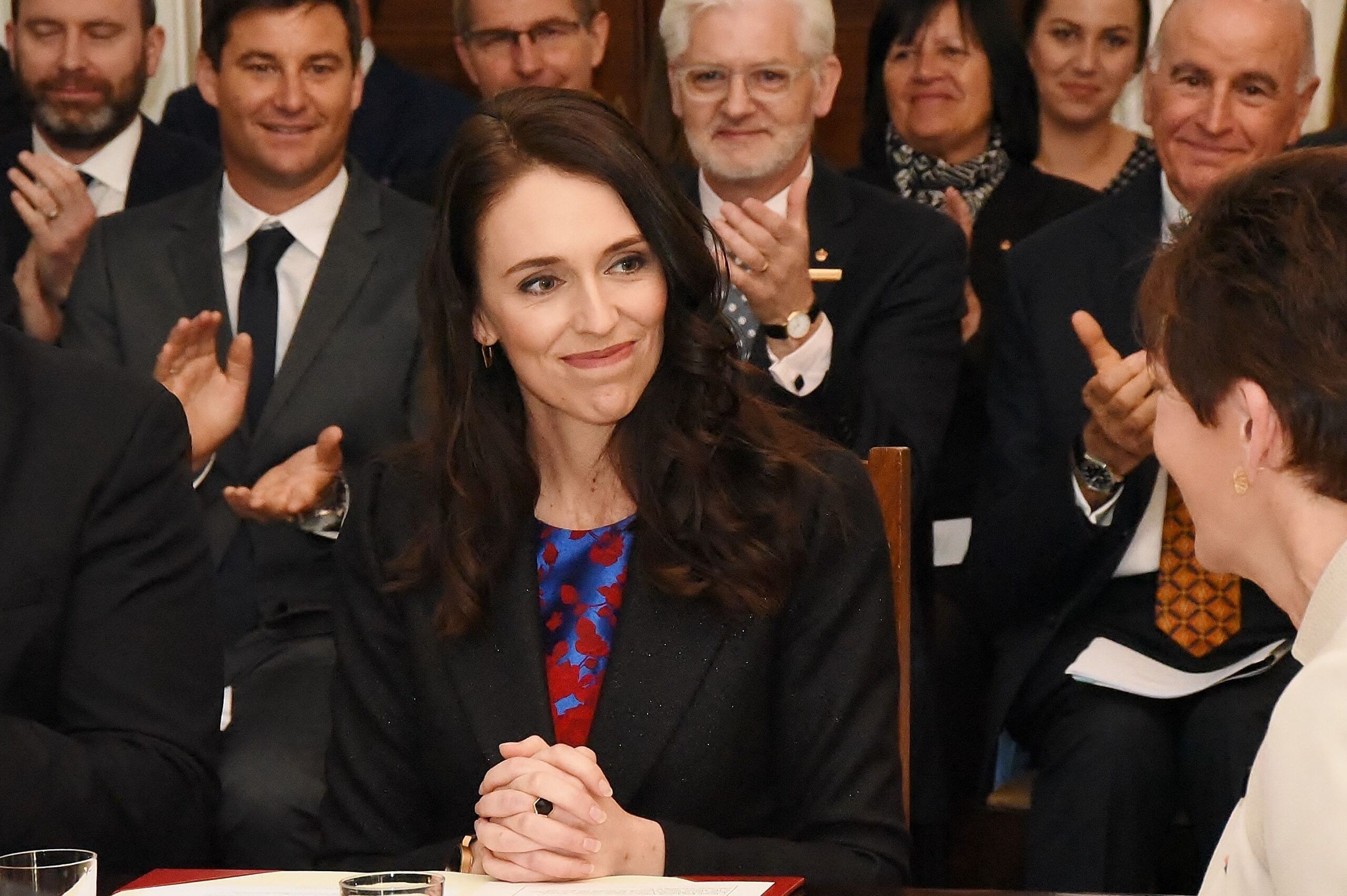
(Written for the She Is Politics Initiative — documenting global women’s leadership)
Jacinda Ardern served as the 40th Prime Minister of New Zealand from October 2017 until January 2023. She became the world’s youngest female head of government at the time of her election, at just 37 years old.
Born on July 26, 1980, in Hamilton, New Zealand, Ardern studied communications at the University of Waikato. According to The Guardian, she began her political career early, working as a researcher in the New Zealand Parliament and later serving in the UK Cabinet Office under Prime Minister Tony Blair.
Ardern became the leader of the Labour Party just weeks before the 2017 general election. Under her leadership, Labour secured enough votes to form a coalition government, and Ardern was sworn in as Prime Minister on October 26, 2017.
One of the defining moments of her leadership came in March 2019, when two mosques in Christchurch were attacked in a terrorist act that killed 51 people. According to BBC News, Ardern was internationally praised for her compassionate response and her swift action to tighten New Zealand’s gun laws within a month of the attack.
During the COVID-19 pandemic, Ardern implemented early border closures and clear communication strategies. According to the World Health Organization, New Zealand initially had some of the lowest infection and death rates globally during the early stages of the pandemic.
In 2018, Ardern gave birth to her first child while in office, becoming the second elected head of government in modern history to do so. She addressed the United Nations General Assembly with her baby in her arms, a moment widely shared by UN Women as a powerful symbol of balancing leadership and motherhood.
Ardern announced her resignation in January 2023, stating she “no longer felt she could do the job justice.” Her decision sparked global conversation around burnout, emotional transparency, and leadership fatigue.
“You can be strong and you can be kind.” — Jacinda Ardern
🧭 What We Learn From Her Story
At She Is Politics, we believe Ardern’s leadership redefines what power can look like — not loud or ruthless, but calm, empathetic, and effective.
- Leadership Can Be Gentle and Effective.
Ardern showed that empathy and kindness are not weaknesses but strengths in political leadership. - Crisis Requires Clear and Decisive Action.
Her swift response to the Christchurch attacks and COVID-19 demonstrated the power of moral clarity and fast action. - You Don’t Have to Sacrifice Yourself to Lead.
Her resignation opened a global conversation about burnout and emotional honesty, setting a precedent for healthy leadership boundaries. - Symbolism Matters.
Speaking at the UN with her child showed the world that motherhood and governance can coexist — and be visible.